
Post Hair Transplant Care & Recovery Timeline
BLOG
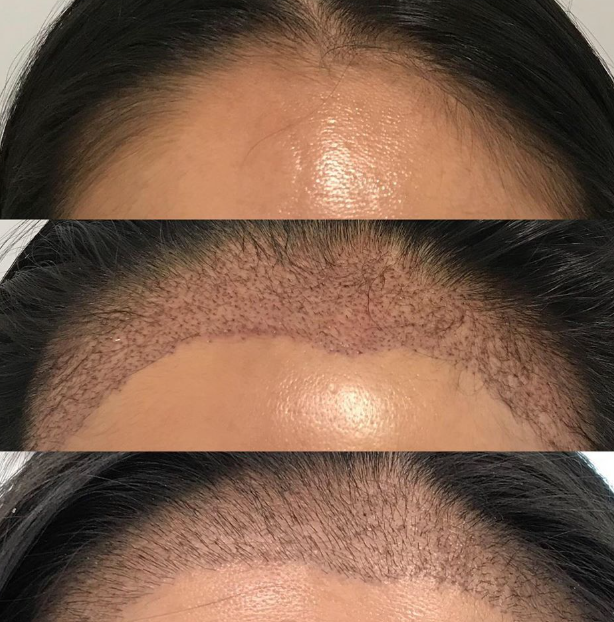
Post Hair Transplant Care & Recovery Timeline: 6 Weeks to 12 Months
Hair transplant recovery is a gradual and predictable process, not an overnight transformation. Many patients feel anxious during the first few months when shedding occurs or results aren’t immediately visible. Understanding the timeline from 6 weeks to 12 months helps patients stay confident and follow the right care routine.
At Reniu Aesthetic & Clinic, patients are guided at every stage of recovery with proper follow-ups, counselling, and supportive treatments to ensure the best possible outcome.
Why Is Recovery After Hair Transplant Important?
The success of a hair transplant does not depend only on the surgery. Post-procedure care, lifestyle habits, and patience play a major role in final results. Hair follicles go through natural growth cycles after transplantation, and visible improvement happens gradually over months.
What Happens 6 Weeks After Hair Transplant?
Around the 4–6 week mark:
• Most transplanted hair sheds (shock loss)
• Donor and recipient areas are healed
• Mild itching or dryness may occur
This phase is normal and temporary, even though it may look worrying.
What Happens Between 3 to 6 Months?
• New hair growth begins
• Hair appears thin and soft initially
• Gradual improvement in coverage
This is the phase where patients start noticing early positive changes.
What Happens Between 6 to 12 Months?
• Hair becomes thicker and stronger
• Density improves significantly
• Hair texture starts matching natural hair
Final, mature results are usually visible by 12 months, and sometimes up to 18 months.
Got Questions?
Frequently Asked Questions
Is it normal to see no density at 6 months?
Yes. Hair growth varies, and density continues to improve over time.
When will I see final results?
Between 12–18 months after the procedure.
Detailed Hair Transplant Recovery Timeline
Common Concerns During Recovery
Medical Evaluation & Follow-Up Care
Role of PRP Therapy in Recovery
Lifestyle Guidelines During Recovery
Post-Treatment Do’s & Don’ts
Real Patient Experience
Case Study
