reniu

Male Pattern Baldness (Androgenetic Alopecia)

blog
screenshot 2025 09 10 155614

Male Pattern Baldness (Androgenetic Alopecia)

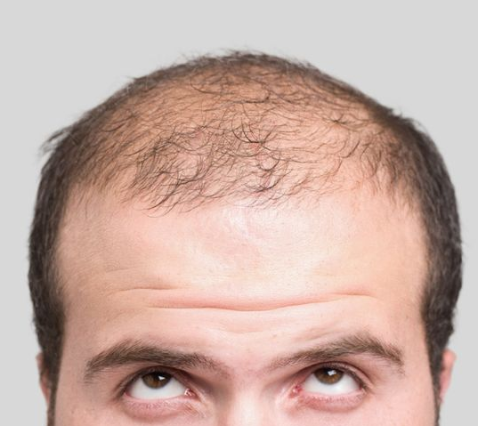
Male Pattern Baldness, medically known as Androgenetic Alopecia, is the most common cause of hair loss in men. It is a progressive, genetically inherited condition that leads to gradual thinning of hair, receding hairline, and baldness over time. The condition does not occur suddenly; instead, it progresses in stages and worsens if left untreated.

At Reniu Aesthetic & Clinic, male pattern baldness is managed through a combination of medical therapies and advanced hair transplant procedures, depending on the severity and stage of hair loss.

Early diagnosis plays a crucial role in slowing progression, while advanced stages often require surgical intervention for permanent hair restoration.

What Is Male Pattern Baldness?

Male pattern baldness is a genetically inherited condition influenced by the hormone Dihydrotestosterone (DHT). DHT causes gradual weakening and shrinkage of hair follicles, leading to thinner hair and eventual hair loss.
 
The condition typically follows a predictable pattern:
•Receding frontal hairline
•Thinning at the temples
•Baldness at the crown (vertex)
•Progressive loss over larger scalp areas
 
Once hair follicles become inactive, non-surgical treatments may no longer be effective.

How Do You Know If You Have Male Pattern Baldness?

Common signs and symptoms include:
•Gradual hairline recession
•Thinning of hair on the crown
•Excessive hair fall while washing or combing
•Reduced hair density and volume
•Hair becoming finer and weaker
•Family history of baldness
 
Many patients also experience stress and reduced self-confidence due to visible hair loss.

Why Does Male Pattern Baldness Occur?

Male pattern baldness develops due to a combination of genetic, hormonal, and lifestyle factors. While genetics play the primary role, habits such as smoking, poor nutrition, stress, and hormonal imbalances can accelerate hair loss.

How Is Male Pattern Baldness Treated?

Treatment depends on the stage of hair loss and follicle activity.
•Early stages: Medical management, PRP therapy, mesotherapy
•Advanced stages: Hair transplant procedures such as FUE or Bio-FUE
 
A personalised treatment plan is created after detailed scalp and medical evaluation.

How Is Male Pattern Baldness Treated?

Treatment depends on the stage of hair loss and follicle activity.
•Early stages: Medical management, PRP therapy, mesotherapy
•Advanced stages: Hair transplant procedures such as FUE or Bio-FUE
 
A personalised treatment plan is created after detailed scalp and medical evaluation.
Recovery & Results 
•Initial healing: 7–10 days
•Temporary hair shedding (shock loss): 2–6 weeks
•New hair growth: 3–4 months
•Visible density improvement: 6–9 months
•Final results: 12–18 months
Got Questions?

Frequently Asked Questions

Yes, but it can be managed effectively. Hair transplant offers permanent restoration.

Yes, when performed by experienced doctors under proper medical protocols.

No, transplanted hair is resistant to DHT and long-lasting.

•FUE Hair Transplant
•Bio-FUE Hair Transplant
•Body Hair Transplant
•PRP (Platelet-Rich Plasma) Therapy
•Mesotherapy for hair loss
 
Treatment selection depends on baldness grade, donor hair quality, and patient expectations.
Before planning treatment, a detailed medical assessment is carried out to ensure safety and suitability.
 
Tests commonly performed include:
•Complete Blood Count (CBC)
•Random Blood Sugar (RBS)
•Liver Function Test (LFT)
•Prothrombin Time / INR (PT/INR)
•HIV
•HBsAg
•Anti-HCV
•Renal function tests
•ECG (for older patients or those with medical conditions)

Approximate Cost Per Graft:

Treatment Type                       Cost (₹ / graft)

FUE Hair Transplant              ₹30 – ₹35
Bio-FUE Hair Transplant       ₹35 – ₹40
Body Hair Transplant            Varies

Cost depends on:
•Number of grafts required
•Area to be covered
•Donor hair quality
•Technique used
•Use of PRP or bio-enhancement
 
EMI and financial assistance options are available.
•Smoking reduces blood supply to hair follicles
•Alcohol delays healing after procedures
•Chronic stress accelerates hair loss
•Poor nutrition weakens hair growth
•Irregular sleep affects hormonal balance
 
Lifestyle correction plays a crucial role in treatment success and recovery.
Do’s:
•Follow prescribed medications
•Keep scalp clean and dry
•Attend follow-up visits
 
Don’ts:
•Avoid smoking and alcohol during recovery
•Avoid strenuous physical activity for 7–10 days
•Avoid direct sun exposure

Real Patient 

Case Study

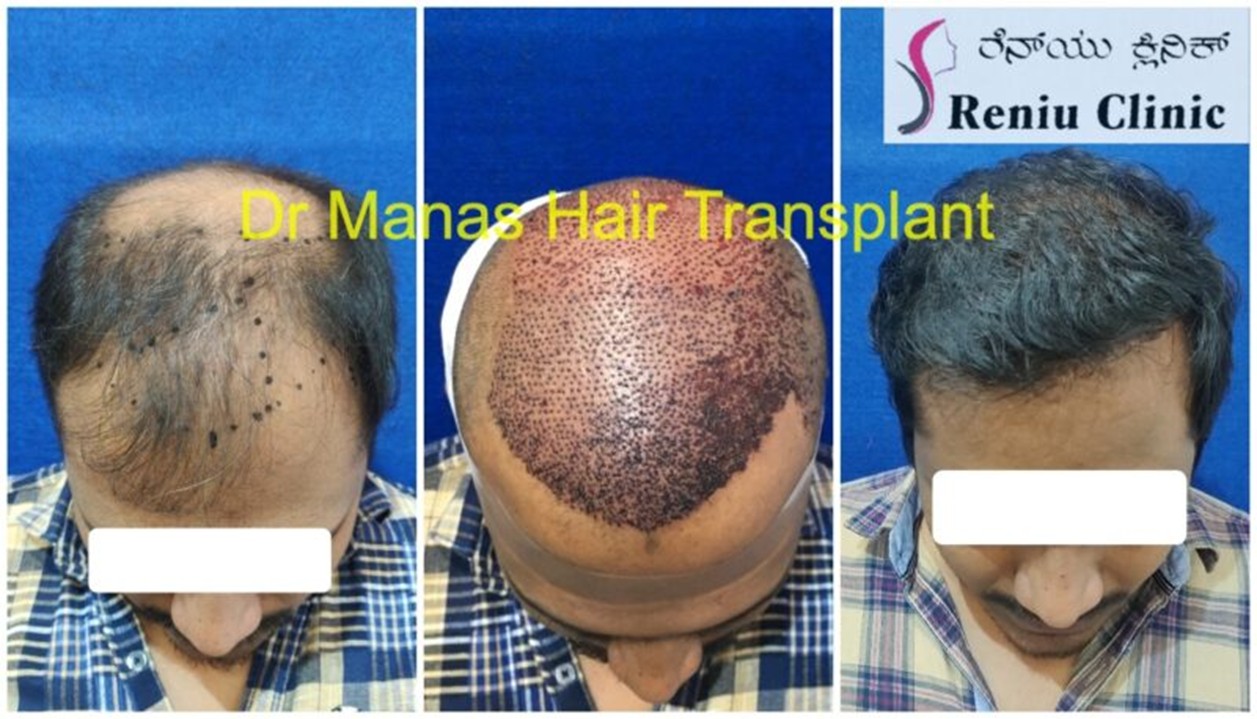
FUE Hair Transplant for Grade 5 Androgenetic Alopecia
 
Patient Details:
•Age: 29 years
•Gender: Male
 
Symptoms Faced:
•Severe hair loss
•Receding hairline
•Baldness in crown and vertex region
 
 
picture13
Diagnosis:
Grade 5 Androgenetic Alopecia
Treatment Performed:
FUE Hair Transplant Treatment with 3500 grafts
Treatment Overview:
Hair follicles were extracted from the donor area using the FUE technique and implanted into bald regions with precise hairline design and density planning.
Post-Treatment Guidance:
•Avoid strenuous activity
•Use prescribed medications
•Follow PRP sessions if advised
Patient Feedback:
“The doctors explained everything clearly and the results look very natural. My confidence has improved a lot.”