
Hair Thinning After Hair Transplant
BLOG
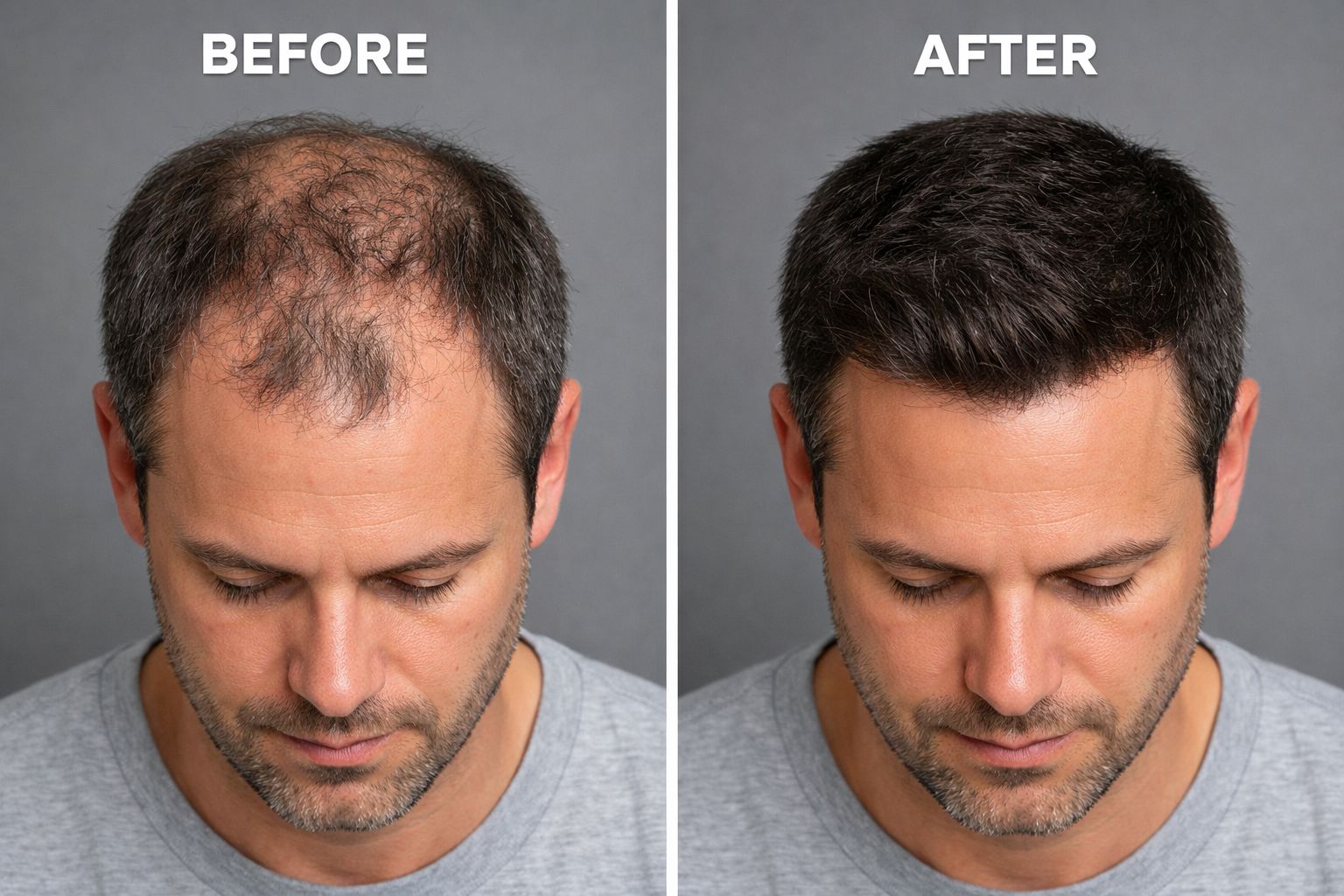
Hair Thinning After Hair Transplant: Causes, Shock Loss & Recovery
Hair thinning after a hair transplant can be alarming for many patients, especially when they expect immediate results. However, post-transplant hair thinning is very common and usually temporary. Understanding why it happens and how recovery works helps patients stay confident and patient during the healing phase.
At Reniu Aesthetic & Clinic, patients are guided through every stage of post-transplant recovery with proper counselling, follow-ups, and supportive treatments.
Is Hair Thinning After Hair Transplant Normal?
Yes. Hair thinning after a transplant is normal in most cases and does not mean the procedure has failed. This phase is commonly referred to as shock loss and is part of the natural hair growth cycle.
Both transplanted hair and nearby existing (native) hair may shed temporarily before regrowing stronger.
What Is Shock Loss?
Shock loss is temporary hair shedding that occurs due to:
• Surgical stress on the scalp
• Changes in blood supply
• Trauma to surrounding hair follicles
Although the hair sheds, the hair follicles remain healthy and gradually enter a new growth phase.
How Do You Know If Thinning Is Normal or a Problem?
Normal post-transplant thinning usually shows:
• Hair shedding within 2–6 weeks
• No pain or infection
• Healthy scalp healing
You should consult your doctor if you notice:
• Persistent redness or pain
• Signs of infection
• No improvement even after several months
Recovery & Regrowth
• 0–2 months: Hair shedding (shock loss)
• 3–4 months: New hair growth begins
• 6–9 months: Visible improvement in density
• 12 months: Mature, stable results
Got Questions?
Frequently Asked Questions
Does shock loss mean graft failure?
No. Shock loss is temporary and grafts remain intact.
Will all shed hair grow back?
Yes, in most cases hair regrows naturally with time.
Causes of Hair Thinning After Hair Transplant
Medical Evaluation & Follow-Up
Role of PRP & Mesotherapy in Recovery
Lifestyle Factors That Affect Recovery
Post-Treatment Care & Do’s / Don’ts
Accordion Content
Real Patient Experience
Case Study
Hair Thinning After Hair Transplant